

Breathable Design: How to Enhance Sandals’ Breathability Through Materials and Structure
In the world of footwear—especially in the warmer months—breathability is not a luxury; it’s a necessity. For wholesalers, retailers, and private label brands in the sandal market, offering breathable designs isn’t just about seasonal comfort. It’s about standing out with a product that meets both practical and emotional needs. A well-ventilated sandal means cooler feet, less sweat, and happier customers—all translating to higher sales and stronger brand loyalty.
So, how can breathability in sandals be achieved without compromising on durability, style, or performance? The answer lies in two key elements: materials and structure.
1. Choosing the Right Breathable Materials
The choice of material is the foundation of any breathable sandal. High-quality materials that allow for airflow and moisture control are vital.
✅ Top Material Choices:
-
Mesh Uppers: Lightweight and naturally breathable, mesh allows air to circulate freely.
-
Knitted Fabric: Modern knitted textiles offer both flexibility and ventilation.
-
Natural Leather: While not traditionally seen as breathable, premium leather (especially with perforations) offers airflow and moisture regulation.
-
EVA and PU Foam Linings: These materials provide cushioning while wicking moisture away from the foot.
-
Antibacterial Insoles: Breathability should go hand-in-hand with hygiene. Insoles with antimicrobial treatment help prevent odors and bacteria build-up.
💡 Why it matters: Materials that breathe make the sandals more comfortable for long-term wear, especially in hot or humid climates—key selling points for global B2B buyers.
2. Structuring for Ventilation
Beyond materials, a sandal’s design structure plays a huge role in how well it allows air to flow around the foot.
✅ Design Features That Boost Airflow:
-
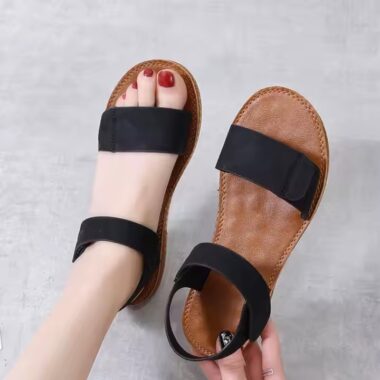
Open-Toe and Open-Side Designs: Classic features that naturally allow heat and moisture to escape.
-
Strategic Cutouts: Engineered gaps along the upper for better air circulation without sacrificing foot security.
-
Raised Footbeds: Slight elevation between footbed and sole improves airflow underfoot.
-
Perforated Straps: Small holes in the straps provide ventilation while maintaining a sleek look.
-
Contoured Channels: Footbeds with airflow grooves help minimize sweat buildup and friction.
💡 Why it matters: Customers can instantly feel the difference with breathable structural elements. The physical relief from heat enhances satisfaction and perceived value.
3. Why Breathability Matters in the B2B Sandal Market
Today’s buyers, from fashion retailers to outdoor brands, are more informed than ever. They’re not just looking for a stylish sandal—they want performance footwear that provides all-day comfort, especially in warmer climates.
🔍 Breathability Adds Business Value:
-
Higher Retention Rates: Comfortable customers are repeat customers.
-
Reduced Product Returns: Fewer complaints of sweaty, uncomfortable feet = fewer returns.
-
Broader Seasonal Use: Breathable sandals sell well from spring to late summer, extending shelf life.
-
Cross-Market Demand: From urban commuters to beachgoers, breathability is a universal need.
💡 Why it matters: For B2B buyers, stocking breathable sandals gives them an edge in the comfort category—without needing to sacrifice looks or price point.
4. Innovation Opportunities in Breathable Sandals
Want to lead the category? Here’s where your product development can shine:
-
Eco-Friendly Breathable Materials: Recycled mesh or biodegradable knits attract sustainability-focused buyers.
-
Dual-Density Soles with Ventilation Ports: Advanced sole design allows hot air to escape from below the foot.
-
Hybrid Athleisure Designs: Merge breathability with sport functionality to target the growing active lifestyle market.
💡 Why it matters: Being first to market with breathable innovation builds brand authority and attracts premium wholesale clients.
Conclusion: Breathe New Life into Your Sandal Line
Breathability isn’t just a feature—it’s a selling point. By combining ventilated structures with air-friendly materials, you create sandals that work better, feel better, and sell better.
Whether you’re targeting beachwear, urban fashion, or outdoor lifestyle, breathable sandals offer a competitive edge that today’s B2B buyers are actively seeking.