

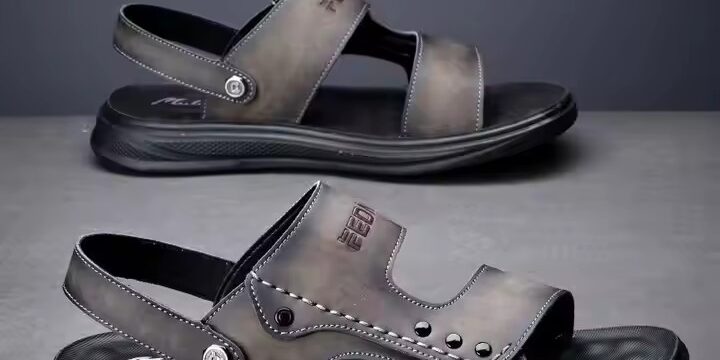
How to Choose the Right Men’s Sandals for Different Foot Shapes?
When it comes to men’s sandals, comfort and fit should always be the top priority. However, one size does not fit all, especially when it comes to foot shapes. Whether your customers have wide feet, high arches, flat feet, or narrow feet, choosing the right sandals is essential to ensure maximum comfort and support.
As a wholesaler or retailer, understanding the different foot shapes and how they impact sandal fit can be incredibly valuable. This knowledge will not only help you guide your customers toward the perfect pair but also improve their overall experience with your brand. In this guide, we’ll break down the key foot shapes and the best features to look for when selecting men’s sandals that provide both comfort and style.
1. Wide Feet: Look for Adjustable Straps and Roomy Footbeds
Men with wide feet often struggle to find sandals that fit comfortably without causing discomfort or pinching. For this foot shape, adjustable straps and spacious footbeds are essential features.
Key Features to Look For:
-
Adjustable straps: Sandals with adjustable Velcro, buckles, or slide closures allow for flexibility in fit, accommodating wider feet.
-
Wider footbeds: Sandals with wider footbeds ensure that the foot doesn’t spill over the edge, providing better balance and comfort.
-
Stretchy materials: Materials like soft leather or fabric offer more give and comfort around the foot, preventing any tightness in key areas.
Why it matters: Offering sandals with adjustable features gives your customers the flexibility to tailor the fit to their specific foot shape, reducing pressure points and enhancing overall comfort.
2. Narrow Feet: Opt for a Secure Fit with Adjustable Closures
For men with narrow feet, finding sandals that fit securely without slipping off or feeling too loose can be a challenge. In this case, choosing sandals that offer secure closures and structured designs is crucial.
Key Features to Look For:
-
Buckle straps or Velcro closures: These offer a secure fit and can be tightened to ensure the sandal doesn’t slip or slide off.
-
Contoured footbeds: Sandals with contoured footbeds that hug the foot’s natural shape provide more support and prevent slipping.
-
Thinner straps: Narrower straps are a great option for men with thin feet, as they won’t cause excess material to bunch up.
Why it matters: A secure and snug fit will ensure that narrow-footed customers don’t experience discomfort or instability. By providing options with adjustable closures, you can help them achieve the perfect fit.
3. Flat Feet: Look for Arch Support and Cushioning
Men with flat feet require sandals that provide arch support and cushioning to alleviate discomfort. Without sufficient arch support, flat feet can lead to overpronation (when the foot rolls inward), which can cause pain in the feet, knees, and lower back.
Key Features to Look For:
-
Arch support: Sandals with built-in arch support or contoured footbeds are essential for flat feet. This support helps maintain proper foot alignment and reduces strain on the body.
-
Cushioned footbeds: A sandal with a soft, cushioned footbed can provide comfort and prevent foot fatigue, especially when walking for long periods.
-
Stability: Look for sandals with wide soles or rubber tread to offer better stability and prevent any slipping or misalignment.
Why it matters: Sandals that offer sufficient arch support can significantly improve comfort for customers with flat feet. By providing these options, you ensure that your customers enjoy better posture and fewer aches.
4. High Arches: Seek Extra Cushioning and Foot Support
Men with high arches typically need sandals that provide additional cushioning to absorb shock and prevent foot fatigue. High arches can lead to pressure on the heel and ball of the foot, making it crucial to select sandals with proper cushioning and support.
Key Features to Look For:
-
Cushioned footbeds: Extra cushioning in the footbed helps absorb impact and provide comfort, especially in the heel and arch areas.
-
Padded straps: Soft, padded straps can help reduce pressure on the top of the foot, which is common for people with high arches.
-
Heel cup: A heel cup that supports the arch and provides extra stability can be especially beneficial.
Why it matters: Providing sandals with extra cushioning ensures that customers with high arches won’t experience discomfort after prolonged use. Offering shock-absorbing materials will help relieve pressure on the foot, enhancing comfort.
5. Wide Toe Box: Ideal for Bunions or Toe Issues
For customers with bunions, hammer toes, or other foot issues, finding sandals with a wide toe box is essential. A wide toe box ensures that the toes have enough space to spread out naturally without feeling cramped.
Key Features to Look For:
-
Wide toe box: A roomy toe box gives the toes the space they need to move freely and reduces the risk of discomfort or aggravating foot conditions like bunions.
-
Soft, flexible materials: Leather, fabric, or soft synthetic materials that stretch around the toes provide added comfort without adding pressure.
-
Open-toe designs: Sandals with open-toe designs allow the toes to move freely, reducing pressure on the toe joints.
Why it matters: For customers suffering from toe conditions or those who simply prefer more room for their toes, offering sandals with a wide toe box ensures a comfortable, pressure-free fit.
6. General Tips for Selecting Men’s Sandals Based on Foot Shape
Regardless of the specific foot shape, there are a few general tips to keep in mind when selecting men’s sandals for your customers:
Customization and Adjustability
One of the best ways to accommodate different foot shapes is to offer customizable sandals with adjustable straps, footbeds, and cushioned soles. This flexibility helps ensure a more personalized fit for each customer.
Material Selection
Choosing materials that conform to the foot’s shape is key. For example, leather can mold to the foot over time, while soft mesh and textile straps can stretch to accommodate different widths and foot shapes. Offering a variety of materials will help ensure that your customers have the best fit.
Footbed Technology
Look for sandals with contoured footbeds that support the natural curves of the foot. Footbed technology, such as memory foam or EVA foam, can help cushion the feet and provide extra comfort, no matter the foot shape.
Why it matters: Offering a variety of styles and options ensures that customers can find the perfect pair of sandals that meets their unique needs. By providing detailed product descriptions and fit guides, you can make the shopping experience more seamless for your customers.
Conclusion: Providing the Right Fit for Every Foot Shape
When selecting sandals for your business, it’s important to consider the diverse foot shapes that your customers may have. Whether they have wide feet, flat feet, high arches, or narrow feet, offering sandals with the right features and design can make a huge difference in their overall satisfaction.
By understanding the needs of different foot shapes and selecting adjustable, supportive, and comfortable sandals, you ensure that your customers will not only enjoy a great fit but also experience long-lasting comfort.
For wholesalers and retailers, offering a diverse range of sandals tailored to various foot shapes gives you the opportunity to cater to a broader audience, increase sales, and build customer loyalty.